
How to Use Safer Gambling Controls for Online Slots
Responsible gambling tools are most useful when they are chosen before entertainment turns into an unplanned expense. For people exploring www.thegingerkiwi.com or comparing new zealand online slots, the important distinction is between controls supplied by a casino and features built into an individual game. Sugar Rush is a Pragmatic Play slot, not an operator, so account limits, time-outs, reality checks and self-exclusion depend on the casino hosting it. Understanding that division makes it easier to set boundaries and recognise when a session is no longer staying within them.
Start by separating game settings from account controls

A slot’s in-game settings can influence how it feels to play, but they do not necessarily restrict spending. The available controls may include bet adjustment, sound settings, speed options, Quick Spin and Autoplay. These can help someone manage pace or reduce distractions, yet they do not replace a deposit limit, loss limit or formal time-out. A faster spin setting, in particular, may make it easier to move through a session without noticing how long it has lasted.
Account-level tools operate outside the game. A casino may provide deposit limits, wagering or spending summaries, session reminders, cooling-off periods and self-exclusion. The exact selection, wording and activation process are operator-specific. Someone playing through a mobile browser should not assume that the controls on the screen represent all the protections available in the account area. It is worth checking the casino’s responsible-gambling page before making a deposit.
The distinction also matters when troubleshooting. The game provider cannot normally reset a password, change an account limit, investigate a payment or apply a self-exclusion request. Those matters belong to the casino holding the player account. If a control is missing, unclear or difficult to cancel, contact the operator’s support team rather than assuming the game itself is responsible.
Choose limits that match a real entertainment budget
A useful limit starts with money that can be spent without affecting rent, food, transport, debt repayments or other essentials. Treat the amount as an entertainment cost, not as a target to recover. A budget can be set for a day, week or month, but it should be specific enough to prevent vague decisions during a session. If the money runs out, the session ends; it should not be extended with funds intended for another purpose.
Deposit limits can be helpful because they create a barrier before money reaches the gambling account. A loss limit may be more meaningful for someone who tends to redeposit after losing, while a time limit can address long sessions even when the balance has not changed much. Where a casino offers several controls, using more than one may provide stronger separation between money, time and play frequency.
Limits should be set before opening a game, not adjusted in response to excitement or frustration. Keep a simple record of deposits, withdrawals and time spent for a few weeks. The record does not need to be elaborate; its purpose is to show whether the chosen boundary reflects actual behaviour. If the planned amount repeatedly proves too low, the safer response is to reduce or stop play rather than raise the limit impulsively.
Why high-volatility play needs extra caution
Volatility describes how frequently and unevenly returns may occur; it does not predict the result of the next spin. The supplied material describes this slot as high volatility based on a New Zealand-facing review, while the developer’s game page does not state a volatility rating. That qualification matters. A short session cannot prove how often wins will appear, and a few successful spins cannot establish a reliable pattern.
The game uses a 7×7 grid, cluster wins and cascading symbols. Winning symbols disappear, new symbols fall into their places, and marked positions can build multipliers during a spin. Its free-spins feature can retain marked positions and multipliers throughout the feature. These mechanics may create extended sequences or sharp changes in the displayed balance, but they do not change the underlying uncertainty of each round.
The commonly listed theoretical RTP is 96.50%, although operators may use lower configurations such as 95.50% or 94.50%. The active setting should be checked in the game’s information or paytable screen, where available. RTP is a long-run mathematical estimate, not a promise for an individual player. For broader guidance about gambling harm and support in New Zealand, the New Zealand Ministry of Health gambling information is a more suitable reference than claims based on a brief playing session.
Put friction around fast-play features
Autoplay and Quick Spin can make a session feel convenient, but convenience can also remove natural pauses. If these options are available, consider leaving them off until a deliberate limit has been chosen. A pause after each small group of spins creates an opportunity to check the clock, current balance and emotional state. If the game or platform provides a speed setting, slower play may make that review easier.
Bonus Buy requires particular care. The supplied information reports a possible price of 100 times the current bet and notes that availability can depend on the operator or jurisdiction. It is a paid game mechanic, not a free casino promotion. Because the cost can be large relative to an ordinary stake, avoid treating it as a shortcut to a favourable outcome. Check the exact price displayed before confirming anything, and disable or avoid the feature if it does not fit the budget.
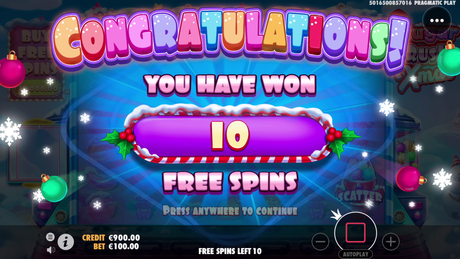
Free Spins are also part of the game rather than evidence of a casino bonus. Landing three to seven scatters may award between 10 and 30 spins, with possible retriggers, but the outcome remains uncertain. If a casino separately advertises free spins or another promotion, read its own conditions, including expiry, maximum bet and wagering requirements. Do not allow an in-game feature or promotion to override a pre-set spending boundary.
Know when a break should become stronger protection
A break is sensible when gambling is interfering with sleep, work, study, relationships or ordinary spending. Other warning signs include hiding activity, chasing losses, borrowing money, feeling unable to stop, or repeatedly changing limits to continue. None of these requires a person to wait for a crisis. A short cooling-off period can create distance, while a longer time-out or self-exclusion may be more appropriate when stopping alone feels difficult.
Self-exclusion is an account-level measure applied by the casino or relevant service, not by the slot provider. Ask the operator what period is available, when it begins, which accounts or products it covers and what happens to remaining funds or pending matters. Avoid opening another account elsewhere to bypass the decision. If gambling is spread across multiple operators, separate exclusions may be needed, so ask support what their process covers.
Support from another person can make a boundary easier to maintain. Tell a trusted friend or family member what limit or break has been chosen, and consider removing saved payment details or gambling notifications. If gambling is causing distress or financial harm, seek professional help rather than trying to win back losses. A responsible plan is not about predicting outcomes; it is about protecting everyday life from an uncertain activity.
Common questions about safer play
Does the slot itself provide responsible gambling limits?
No separate game-specific account controls are established in the supplied information. The slot may offer settings such as Autoplay, Quick Spin and speed controls, but deposit limits, time-outs, reality checks and self-exclusion are controlled by the casino hosting it. Check that operator’s account and support options for the protections actually available.
Can RTP or a demo session make play safer?
RTP is a theoretical long-term figure and does not predict an individual result. A demo session can help someone understand the layout and mechanics, but it cannot verify the active RTP, volatility or likely short-term outcome. Use the paytable for the displayed configuration and set a budget separately.
What should I do after chasing a loss?
Stop the session and avoid depositing more to recover the balance. Apply a cooling-off period or self-exclusion through the casino, remove easy access to payment methods, and tell someone you trust. If chasing losses is recurring or causing financial pressure, contact a qualified gambling-support service or financial adviser promptly.